.svg)


.svg)


Bulk transport looks simple on paper – move a large quantity of material from A to B. In reality, it’s one of the most operationally sensitive freight types. A small mistake (wrong trailer type, residue left in a tanker, missing cleaning proof, incorrect discharge setup) can trigger rejection, contamination risk, or multi-hour delays at site.
This guide explains what counts as bulk, which French industries rely on it, what equipment is used (and why), and how to plan bulk movements safely and efficiently – especially when you need cleanliness, ADR compliance, and fast turnaround.
What is bulk transport (solid vs liquid bulk)?
Bulk transport means moving goods without individual packaging units (no cartons, no pallets). The product is carried loose in a vehicle designed for direct loading and unloading.
There are two major categories.
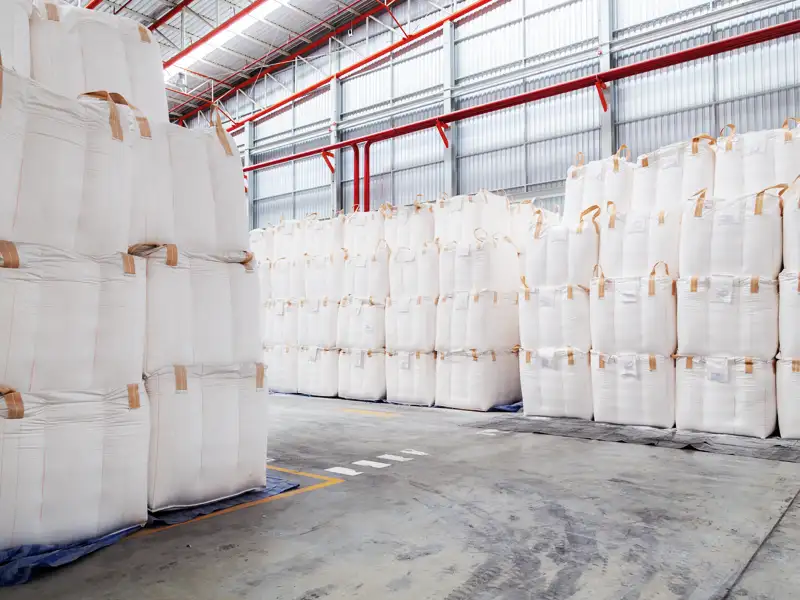
- Dry bulk (solid bulk): powders and granulates such as grain, flour, cement, sand, aggregates, animal feed, sugar, fertilizers, pellets.
- Liquid bulk: liquids transported in tankers – fuels, chemicals, milk, edible oils, wine in bulk, detergents, and other industrial liquids.
The key operational difference is how the load is handled.
- Dry bulk often relies on tipping (gravity discharge), walking floors, or pneumatic discharge from silo tankers.
- Liquid bulk relies on pumps, hoses and fittings – and discharge depends on site setup (pump availability, connection types, flow rates).
Which industries use bulk most in France?
France has high bulk volumes because of its mix of agriculture, construction, and chemical production. Typical bulk-heavy sectors include:
- Agri-food and agriculture: grain and feed movements from farms and cooperatives, flour mills, sugar beet supply chains, bulk oil and liquid food ingredients.
- Construction and infrastructure: cement, concrete additives, sand and aggregates—especially on major building sites and roadworks where time windows are tight.
- Chemicals and energy: industrial chemicals, solvents, fuels, and related products—often requiring ADR handling, strict compatibility checks, and strong documentation discipline.
- Waste and recycling (special case): some bulk waste streams also use tipper or walking-floor equipment, but with different regulatory constraints and contamination controls.
In practice, bulk lanes often revolve around “source → processing → site”: e.g., quarry to construction site, silo depot to plant, chemical corridor to industrial customer.
What equipment is used, and why?
Choosing the correct equipment isn’t a detail – it determines whether the shipment can be loaded and unloaded at all, how fast it turns, and what contamination risks exist.
Tippers, walking floors, silos
- Tippers (dump trucks / tipper trailers). Best for aggregates, sand, rubble, some grains—where discharge by gravity is acceptable. Main requirement: safe tipping area, ground stability, and overhead clearance.
- Walking-floor trailers. Used for biomass, waste, wood chips, and products that need controlled discharge without tipping. They work well when tipping is unsafe or the site has low clearance.
- Silo tankers (dry bulk pneumatic). Used for cement, powder, flour, and fine granulates. They discharge via compressed air through hoses into silos. Key constraints: compressor capability, hose length, coupling compatibility, and site silo availability.
Tankers and pump/hosing setup
Liquid bulk is transported in tankers. Not all tankers are equal:
- Some are designed for food-grade liquids (requiring hygiene and cleaning proof).
- Others are chemical tankers with materials compatible with hazardous products.
- Discharge can be done via pump, gravity, or site equipment.
The practical success factors for tanker moves are:
- correct coupling type and hose length,
- site access and safe positioning,
- flow rate expectations (which influence unloading time),
- temperature constraints (some liquids are viscous or temperature-sensitive).
Typical risks (contamination, residue, ADR, cleaning)
Bulk transport concentrates risk in a few predictable areas:
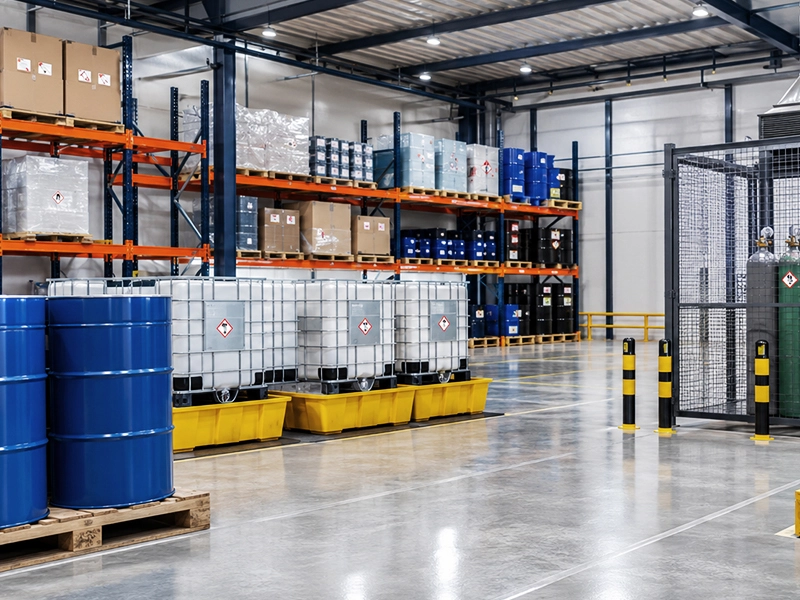
- Contamination and residue. Bulk equipment can retain residue. Even small leftovers can contaminate the next load—especially with food-grade and sensitive chemicals. This is why cleaning standards and compatibility checks are critical. If the consignee suspects contamination, they may refuse the load.
- Cleaning compliance. Many bulk flows require a cleaning certificate (or proof of last product carried) to confirm the tank/trailer is suitable. In food-grade flows, cleaning requirements can be strict. In chemical flows, incompatibility can be dangerous. If cleaning proof is missing, the site may stop unloading until validation is done – leading to delays and extra costs.
- ADR (dangerous goods) obligations. Many chemical and fuel bulk shipments fall under ADR rules. That means correct classification, labeling, documentation, and trained carriers. The operational risk is not only non-compliance – ADR shipments are often refused if the paperwork is incomplete or if the site cannot accept under the required conditions.
- Site safety and discharge hazards. Tipping risks (rollover, unstable ground), hose hazards (pressure, leaks), and confined-space risks can all create incident exposure. Good bulk operations include clear PPE expectations, safe zones, and a “stop work if unsafe” rule.
Planning checklist (load/unload, permits, evidence)
Bulk transport success is 80% preparation. Use the checklist below to reduce refusals, downtime, and disputes.
Before loading
- Confirm product specification (dry vs liquid, hazard class, if any, food-grade requirement).
- Confirm equipment type (tipper/walking floor/silo / tanker) and compatibility.
- Verify the last product carried and cleaning requirement; obtain cleaning proof if needed.
- Confirm weight (kg) and volume; check axle limits and legal load constraints.
- Align documentation: booking ID, customer PO, product name, and any ADR data.
- Validate site access: entry gates, timing window, and loading method.
Before unloading
- Confirm site unloading capability (silo availability, discharge point, pump/hoses, coupling type).
- Estimate unloading time based on equipment and flow; confirm the time window.
- Ensure a named on-site contact is ready and knows the plan.
- Prepare evidence: photos of seals (if used), product labels, and key documentation.
- If exceptions occur (spill, suspected contamination, damaged seals), record it on delivery proof immediately.
Table: Commodity → equipment → key risks
Table: Risk matrix: hazard → control measure
Frequently Asked Questions (FAQ)
What’s the biggest risk in bulk transport?
The biggest operational risk is contamination – usually caused by residue from a previous load, incompatible materials in the tank/trailer, or improper cleaning. In bulk, even a small amount of leftover product can compromise an entire shipment, especially for food-grade flows (grain, flour, oils) and sensitive chemical products. That can lead to refusal at delivery, quality claims, or in the worst case a safety incident (e.g., a reaction between incompatible substances).
To reduce risk, treat “cleanliness and compatibility” as mandatory pre-dispatch steps: confirm the last product carried, verify the required cleaning level, and make sure you have cleaning proof (certificate or documented wash). For chemical lanes, also confirm product compatibility with the tanker type and seals/hoses. If there’s any doubt, resolve it before the truck moves – because once the vehicle is on site, you’re already paying in time and detention.
Do bulk loads need special documents?
Often yes, and the exact list depends on what you’re moving and where it’s going. Typical document needs include:
- ADR documentation (when the product is classified as dangerous goods): correct UN number/class, required notes, and any required emergency info.
- Product specification: name, grade, density/viscosity (if relevant), temperature constraints, and any “food-grade” requirements.
- Cleaning certificate / wash proof: especially common for food-grade liquids and powders, and for chemical products where cross-contamination is a major risk.
- Site-specific unloading instructions: discharge method (tip, pneumatic, pump, gravity), coupling type, hose length requirements, expected unloading time, and any safety rules (PPE, escort, check-in procedures).
Missing or incomplete documentation is one of the fastest ways to trigger a delivery hold – because the site may refuse to unload without proof the equipment is suitable and the product is compliant.
How do I estimate unloading time?
Unloading time is highly variable because it depends on equipment + site capability, not just the quantity. The biggest drivers are:
- Discharge method: tipping vs walking floor vs pneumatic discharge (silo) vs pumping/gravity for liquids.
- Hose setup and couplings: time to position the vehicle, connect safely, and confirm compatibility.
- Pump/compressor capacity + flow rate: these determine how long the actual transfer takes.
- Site constraints: access, safety checks, queueing, and whether the receiver can accept immediately (silo capacity, staffing).
The most reliable approach is to agree an expected unloading duration with the consignee (based on their site experience), then build a buffer into the slot—especially on busy industrial sites where queueing is common. If you’re running a new lane, treat the first shipment as a learning run: record actual unloading time and use that data to set future appointment windows.
Quote and book your transport across Europe


This route is currently inaccessible.
Unfortunately, our fleet does not run on some routes. To continue placing a transport order, please select another route.
Something went wrong...
Refresh the page and try again. If the problem persists, please contact us.



.webp)